 Alankomaat
 Albania
 Amerikan yhdysvallat
 Argentiina
 Australia
 Belgia
 Bosnia ja Hertsegovina
 Brasilia
 Bulgaria
 Chile
Chile
 Espanja
 Etelä-Afrikka
 Filippiinit
 Irlanti
 Iso-Britannia
 Italia
 Itävalta
 Kanada
 Kolumbia
 Kreikka
 Kroatia
 Latvia
 Liettua
 Luxemburg
 Meksiko
 Moldova
 Montenegro
 Norja
Norja
 Pohjois-Makedonia
 Portugali
 Puola
Puola
 Ranska
 Romania
 Ruotsi
 Saksa
Saksa
 Serbia
 Slovakia
 Slovenia
 Suomi
Suomi
 Sveitsi
 Tanska
 Turkki
 Tšekin tasavalta
 Ukraina
 Unkari
 Uusi-Seelanti
 Viro
Viro



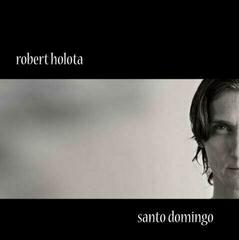
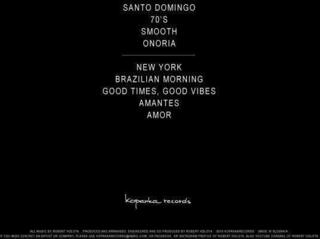
Robert Holota

Robert Holota
Robert Schumann (1810–1856) was a leading German composer, pianist, and influential music critic of the early Romantic era. Known for his expressive and imaginative works, he wrote music across all major genres of his time, including solo piano, song cycles, chamber music, orchestral works, choral pieces, and an opera. His compositions, such as Carnaval, Kinderszenen, and Dichterliebe, capture the lyrical intensity and emotion characteristic of Romanticism.
Initially torn between careers in law and music, Schumann ultimately devoted himself to composition after a hand injury ended his hopes as a concert pianist. He co-founded and edited the influential Neue Zeitschrift für Musik, where he championed new music and expressed his split artistic personality through the alter egos Florestan and Eusebius.
Schumann married pianist Clara Wieck, and together they toured Europe, both inspiring and supporting each other's artistry. His later years were marked by struggles with mental health, but his creativity remained influential. Schumann’s piano music and songs are particularly celebrated, and his work inspired composers such as Brahms, Mahler, Debussy, and Tchaikovsky. Despite facing challenges during his life, Schumann remains a central figure in Romantic music.